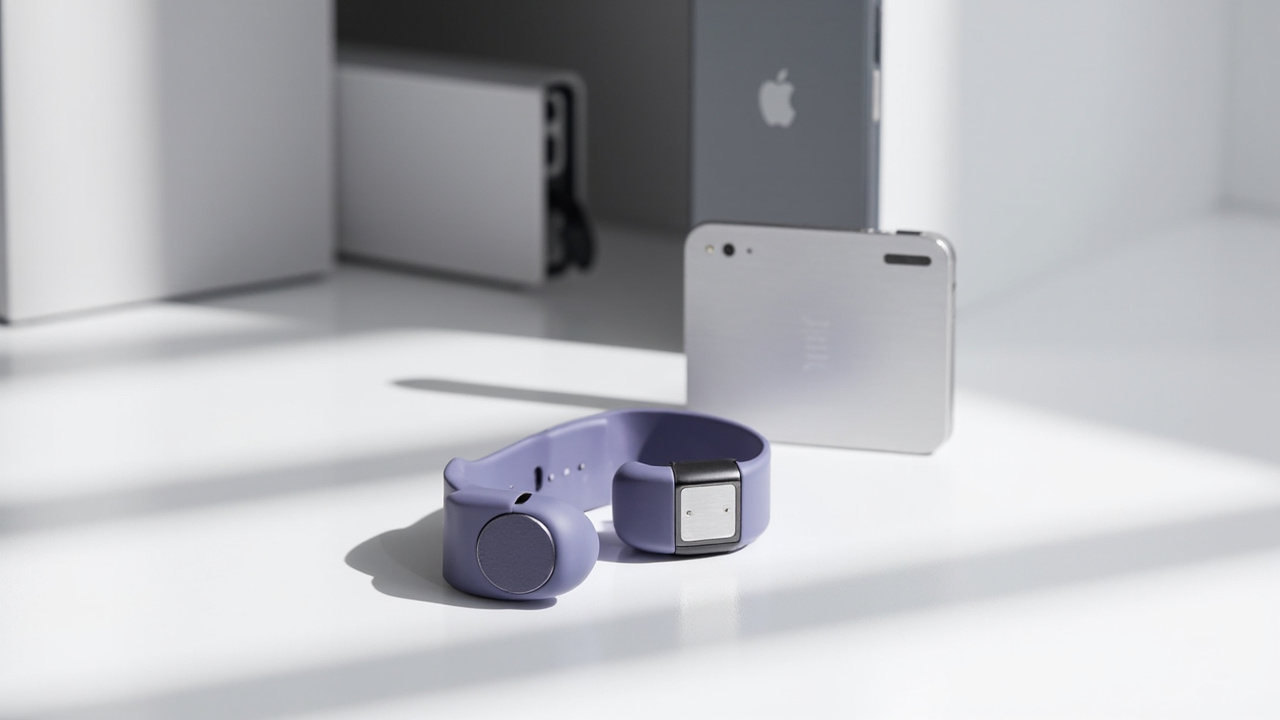
TL;DR: Amazon's Bee unit introduced two personal AI companions on Oct. 15, 2026 — the $74.99 wrist-and-clip Frontier and the $99.99 magnetic phone attachment Eclipse.
Amazon introduces Frontier and Eclipse under Bee brand
Amazon introduced two personal AI devices on Oct. 15, 2026 under the Bee brand it acquired last year, marking the first new Bee hardware since that acquisition, according to TechCrunch. The lineup includes Bee Frontier, described as the next generation of its wearable that can be worn on the wrist or pinned to clothes, and Bee Eclipse, a slim attachment that magnetically attaches to the back of a smartphone.
The announcement positions personal AI as a memory aid for everyday conversations. According to About Amazon, Bee is designed to remember details from conversations and turn them into conversation summaries, to-dos, reminders and insights. Examples cited include remembering a date and time agreed with friends and creating a calendar invite, capturing lecture notes in class, or retaining a care plan discussed with a doctor.
Amazon devices chief Panos Panay discussed the devices at the TechCrunch Disrupt conference in San Francisco, according to Reuters. Reuters quoted Panay saying, "They listen to your whole day," adding that the devices remind users of conversations, to-dos and action items committed to other people. Reuters reported that Frontier was described as a bracelet and Eclipse as a brick resembling a portable magnetic charger, with both systems aggregating information from calendars, apps and other data throughout the day.
What Frontier is designed to do
Bee Frontier is personal AI that can be worn on the wrist or clipped onto clothing, according to About Amazon. The company described it as light with an ultra-soft silicone wristband built for all-day comfort. It comes in three nature-inspired colors — Lavender, Sage and Onyx, according to About Amazon and TechCrunch.
Frontier is aimed at people on the go who want to stay present while retaining details, according to About Amazon. Cited uses include remembering details of meetings, noting coffee plans made in passing, or remembering to purchase household items mentioned during the day. TechCrunch reported that the idea is to leverage AI to take notes from everyday conversations, allowing users to remember important points and turn them into actionable to-dos, summaries and insights.
The more a user wears Frontier, the smarter it becomes, Amazon said, according to Android Central. That characterization reflects the product logic: when activated, the device captures conversation context that feeds later summaries and reminders. According to About Amazon, users access summaries in the Bee mobile app or a new desktop app, with templates tailored to settings such as lectures, care plans or brainstorms, while the system also surfaces recurring trends or themes with personalized goals and actions.
What Eclipse adds for phone users
Bee Eclipse is a new addition beyond a wearable form, according to About Amazon. It is described as slim and lightweight, about the size of a credit card, that attaches to the back of a phone magnetically. TechCrunch similarly described Eclipse as a credit-card-sized device that magnetically attaches to the back of a smartphone.
The concept is that there is nothing extra to remember — attach it and go, according to About Amazon. Android Central reported that Eclipse is specifically oriented to phone calls, condensing what is discussed into notes, summaries or reminders for later use. About Amazon gave the example of a call with family or friends planning a vacation, where Eclipse could help retain logistics such as preferred arrival times and favorite restaurants.
Eclipse works like Frontier in converting conversations into summaries, insights and to-dos, according to About Amazon. As with all Bee devices, the company said audio is never stored and cannot be accessed or shared, and users are prompted to gain permission from call participants each time a recording is started, according to that announcement. Android Central also reported that users will need permission from the person they are calling before Bee Eclipse can record.
Prices, colors, battery and availability
Pricing places both devices below several dedicated AI note-taking competitors. TechCrunch reported Frontier at $74.99 and Eclipse at $99.99, noting comparisons to $159 for the Plaud Note, $189 for the Note Pro, and $129 for the Pocket AI device. Reuters reported rounded prices of $75 for the Frontier bracelet and $100 for the Eclipse.
Color options differ by model. According to TechCrunch and About Amazon, Frontier comes in Onyx, Lavender and Sage, while Eclipse is offered in Silver, Midnight, Honey and Blush. Android Central listed the same color sets and prices, with Frontier at $74 and Eclipse at $99.
On power and durability, About Amazon said Frontier offers IP67 water resistance, up to seven days of battery life and USB-C charging, with dual microphones and advanced noise filtering for crowded restaurants or open offices. TechCrunch likewise cited IP67 water resistance, up to seven days of battery life, USB-C charging and dual microphones with advanced noise filtering. Eclipse is built for longer intervals between charges, with more than 21 days of battery life on a single charge, according to About Amazon. Android Central also reported more than 21 days of power for Eclipse and a seven-day battery plus IP67 and USB-C for Frontier.
On availability, TechCrunch reported that Frontier is available now on Amazon, with Eclipse to be available soon thereafter. That staggered timing makes Frontier the immediate purchase option while Eclipse follows.
How conversations become summaries and actions
When turned on, Bee gathers context from conversations and connected apps to provide insights and recommendations, according to About Amazon. Summaries can be reviewed in the Bee mobile app, which has been redesigned, plus a new desktop app, according to TechCrunch. Templates are tailored to specific needs and settings — for example lectures, care plans or brainstorms — and users can review memories from the past few days, according to About Amazon.
App connections extend the system beyond transcription. According to About Amazon, customers can connect Bee to apps they already use, including Gmail, Google Calendar and Microsoft Outlook. After a call or meeting, Bee can surface action items, draft follow-up emails or create calendar invites based on what was discussed, according to that announcement. TechCrunch similarly reported that Bee works with Gmail, Google Calendar and Microsoft Outlook to draft emails, set up meetings and surface action items.
Wellness and visual context are optional extensions. According to About Amazon, users can connect Bee to Apple HealthKit to build a more complete picture of wellness or integrate with photos to add a visual layer to daily memories. TechCrunch also reported photo uploads and Apple HealthKit connection as ways to integrate wellness and visual context into insights.
New connections to Alexa+ and Amazon.com add hands-free and shopping functions. According to About Amazon, connecting Bee to Alexa+ provides hands-free access to summaries, insights and to-dos, such as asking Alexa for a meeting summary, checking to-dos or recalling a book suggestion. TechCrunch reported that with an $11.99 per month Bee Pro subscription, users receive unlimited conversation summaries and integrations with Amazon.com, Alexa+ and third-party applications, plus suggested to-dos, daily memories, a personal chat assistant and conversation templates. The base experience includes conversation summaries and recaps for free with 14 days of memory, according to TechCrunch, while Reuters reported Bee will retain data for 14 days with extension through a $12-per-month subscription.
Privacy controls and competitive context
Privacy is central to the pitch because the devices listen when turned on. Reuters reported that Amazon said users control privacy by deciding when to turn devices on and can delete insights or prior conversations, and that Amazon does not store audio. That account also noted prior criticism after 2019 reports about human review of Alexa conversations and a related class-action dispute, which Amazon has denied as wrongdoing.
According to TechCrunch, Bee devices use a private computing security architecture that does not store raw audio. Instead, audio is processed in real time and then deleted, while transcripts are encrypted using keys that the device creates and controls, meaning no one else, including Amazon employees, can access those files unless the user manually shares them. About Amazon described the same principles, stating that audio is processed into insights in real time and deleted after processing, with insights sent to the phone and transcriptions encrypted with keys only the device creates and controls.
Physical controls are intentionally simple. According to TechCrunch, both Frontier and Eclipse have one button that turns the device off and on and include an indicator light when summarizing a conversation. About Amazon said users control when Bee processes audio with the microphone button and a visible indicator signals when it is on, with an option to configure Bee to automatically turn off if no sound is detected for a period such as five minutes or 15 minutes.
Optional Alexa linkage adds voice identification. TechCrunch reported users can opt to connect Bee to Alexa, allowing an Echo device to use Voice ID to recognize when the user is speaking and record conversations for insights, with transcripts and summaries deletable at any time. Reuters also reported the devices can connect to Alexa+, Amazon's subscription generative AI voice service.
The launch enters a crowded AI wearables field. Reuters named Meta's Muse Charm pendant and its camera-equipped eyeglasses, plus startups building conversation-recording assistants, as competition. TechCrunch placed Eclipse in more direct competition with Plaud Note and Pocket-style devices, but at a lower price point.
Sources referenced
- Amazon's Bee launches two new personal AI devices, starting at $75 | TechCrunch (https://techcrunch.com/2026/10/15/amazons-bee-launches-two-new-personal-ai-devices-starting-at-75/)
- Bee Frontier and Bee Eclipse: Introducing new AI wearable and phone attachment — About Amazon (https://www.aboutamazon.com/news/devices/amazon-personal-ai-bee-frontier-bee-eclipse)